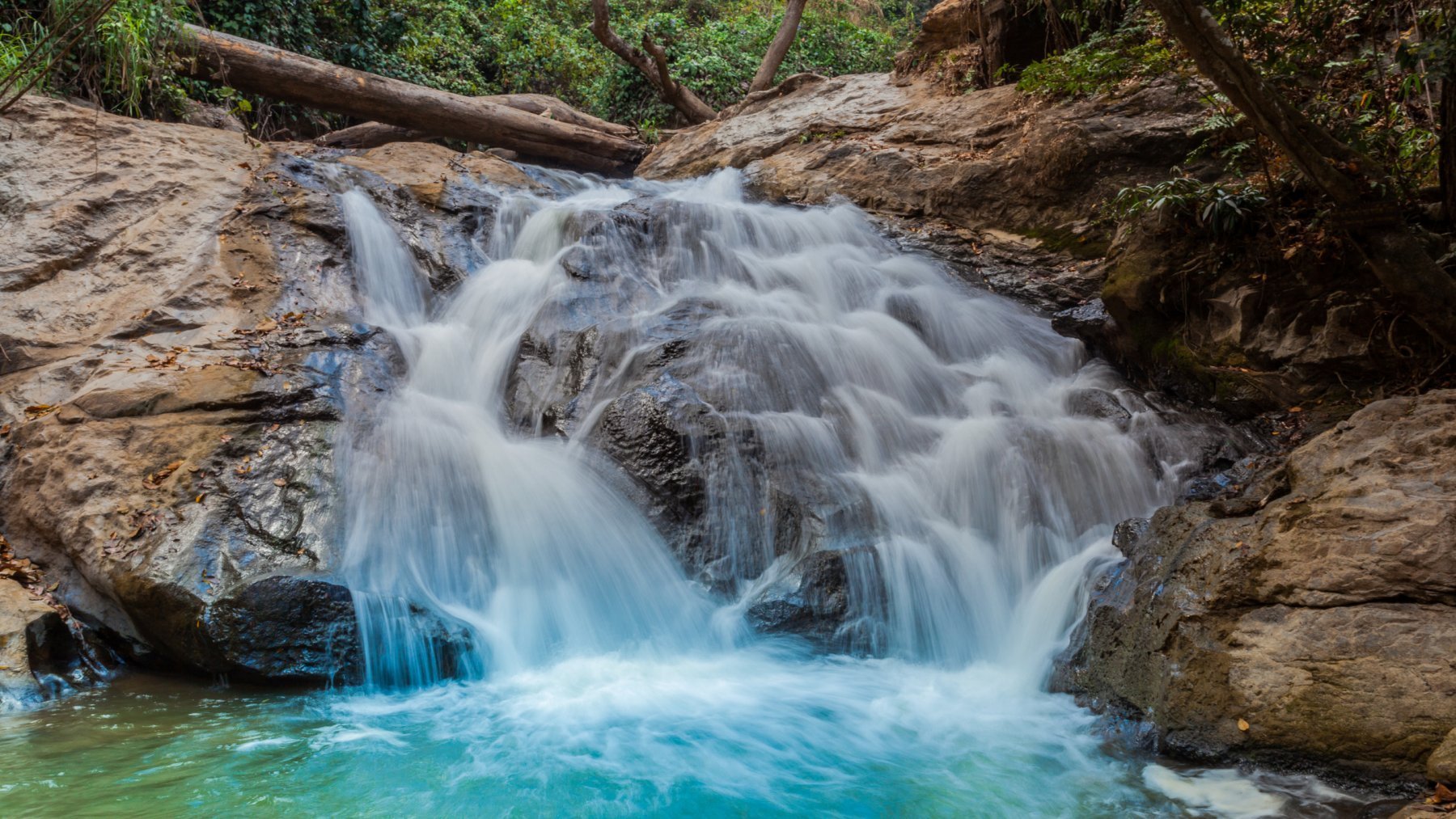
Best Waterfalls Near Chiang Mai: A Complete Nature Guide
Chiang Mai is famous for its ancient Buddhist temples, mountain villages, jungle treks and rich northern Thai culture. But beyond the historic old city, the surrounding mountains hide another side of the region: beautiful waterfalls surrounded by tropical forest.
From the famous Bua Tong Sticky Waterfall, where visitors can climb directly over limestone rocks, to peaceful forest cascades such as Mae Kampong and Mok Fa, there are waterfalls near Chiang Mai for almost every type of traveler.
Some are perfect for a short escape from the city, while others can become the highlight of a full-day road trip through the mountains of northern Thailand.
In this guide, you will discover the best waterfalls near Chiang Mai, what makes each one special, how to plan your visit and practical tips for enjoying these natural attractions safely.
Why Visit the Waterfalls Around Chiang Mai?
The mountains surrounding Chiang Mai are covered with forests, streams and national parks. During the wetter months, water flows down the slopes and creates dozens of waterfalls of different sizes and styles.
Visiting a waterfall offers a completely different experience from exploring temples or markets in the city. It is an opportunity to spend time in nature, walk through the forest, enjoy cooler mountain air and discover landscapes that many travelers never see.
Depending on the waterfall, you can:
- Hike through tropical forest
- Swim or cool off in natural pools where permitted
- Have a picnic surrounded by nature
- Combine waterfalls with mountain villages and temples
- Enjoy scenic road trips outside Chiang Mai
- Discover quieter places away from the city
Many waterfalls can be visited on a half-day excursion, while more distant locations are best included in a complete day trip.
Bua Tong Sticky Waterfall: Chiang Mai's Most Unusual Waterfall
Bua Tong Waterfall, better known among travelers as the Sticky Waterfall, is one of the most unusual natural attractions near Chiang Mai.
Instead of smooth and slippery rock, much of the waterfall flows over porous limestone deposits. The mineral-rich surface provides unusual grip, allowing visitors to climb sections of the waterfall using their hands and feet.
This makes Bua Tong very different from a conventional waterfall visit. The attraction is not simply seeing the cascade: the experience of climbing across the limestone is part of what makes it memorable.
Why Visit Bua Tong Sticky Waterfall?
- One of the most distinctive outdoor experiences near Chiang Mai
- Opportunity to climb sections of the waterfall
- Beautiful green forest environment
- Suitable for an easy nature-focused day trip
- Can be combined with nearby natural attractions
Even though the limestone provides more grip than ordinary wet rock, visitors should still move carefully. Some sections can be wet, steep or uneven.
Nam Phu Chet Si Sacred Spring
Near Bua Tong is Nam Phu Chet Si, a natural mineral spring associated with the water that feeds the waterfall.
The spring offers a quieter contrast to the more playful waterfall area and is worth including while exploring the site.
What to Bring to Bua Tong
- Swimwear or clothes that can get wet
- A towel
- Water
- Sun protection
- A waterproof bag for electronics and valuables
Mae Sa Waterfall: A Classic Chiang Mai Nature Escape
Mae Sa Waterfall is one of the best-known waterfalls in the Chiang Mai area and is located within the mountainous environment of Doi Suthep-Pui National Park.
Rather than being a single dramatic vertical drop, Mae Sa consists of a series of cascading levels spread through the forest.
A walking trail follows the stream and connects different sections of the waterfall, making the experience as much about exploring the forest as seeing the water itself.
Why Visit Mae Sa Waterfall?
- Multiple waterfall levels to explore
- Forest walking trails
- Convenient location for a half-day excursion
- Good option for travelers who enjoy relaxed nature walks
- Easy to combine with other attractions in the Mae Rim area
Mae Sa is especially enjoyable when water levels are healthy and the surrounding forest is green.
Tips for Visiting Mae Sa
Wear comfortable shoes with good grip, particularly after rain. Trails and rocks near waterfalls can become slippery.
The area can also attract local visitors during weekends and public holidays, so visiting earlier in the day can provide a quieter experience.
Mae Kampong Waterfall: Nature and Village Life
Mae Kampong is one of the most popular mountain villages near Chiang Mai. Surrounded by forested hills, the village is known for wooden houses, small cafés, homestays and a cooler mountain atmosphere.
A visit can also include Mae Kampong Waterfall, a forest cascade located close to the village.
The waterfall itself is only part of the experience. What makes this destination particularly interesting is the opportunity to combine nature with a visit to a traditional mountain community.
Why Visit Mae Kampong Waterfall?
- Combine a waterfall with one of Chiang Mai's best-known mountain villages
- Enjoy cooler temperatures and forest scenery
- Walk through the village and discover local cafés
- Stay overnight in a homestay or small guesthouse
- Create a relaxed full-day excursion from Chiang Mai
Mae Kampong is approximately a mountain-road journey from Chiang Mai, so it is better suited to travelers who have enough time for at least a half-day or preferably a full day.
For tours and travel ideas around Mae Kampong and Chiang Mai, see Cool Asia Travel Chiang Mai.
Huay Kaew Waterfall: The Closest Waterfall to Chiang Mai
If you do not have enough time for a long excursion, Huay Kaew Waterfall is one of the easiest nature escapes from central Chiang Mai.
Located near the base of Doi Suthep, it can be combined naturally with attractions on the mountain and requires much less travel than waterfalls farther into the countryside.
The waterfall is popular with locals who come to relax, walk and spend time beside the water.
Why Visit Huay Kaew?
- Very close to Chiang Mai city
- Ideal when you only have a few hours available
- Easy to combine with Doi Suthep
- Popular local picnic and relaxation area
- Access to nearby walking trails
Huay Kaew is not necessarily the largest or most dramatic waterfall around Chiang Mai, but its accessibility makes it particularly convenient.
Mok Fa Waterfall: A Beautiful Forest Waterfall
Mok Fa Waterfall offers a wilder atmosphere than many waterfalls located closer to Chiang Mai.
Surrounded by forest, the water falls from a high cliff into the area below, creating an impressive natural setting that feels considerably more remote than city-side attractions.
Mok Fa can be particularly interesting for travelers heading northwest from Chiang Mai, including those traveling toward Pai.
Why Visit Mok Fa Waterfall?
- Impressive single waterfall surrounded by forest
- More remote natural atmosphere
- Good stop on a road trip northwest of Chiang Mai
- Opportunity to spend time away from busier attractions
Because Mok Fa is farther from Chiang Mai than Huay Kaew or Mae Sa, allow enough travel time and consider combining it with other stops along the route.
Monthathan Waterfall: A Quiet Escape on Doi Suthep
Monthathan Waterfall is another attractive waterfall in the forested environment around Doi Suthep.
It tends to appeal to travelers who want to combine a nature walk with their exploration of the mountain rather than make a long journey outside Chiang Mai.
Dense vegetation and the sound of flowing water create a peaceful atmosphere, particularly when visitor numbers are low.
Why Visit Monthathan Waterfall?
- Convenient location around Doi Suthep
- Forest atmosphere close to Chiang Mai
- Good option for a short outdoor excursion
- Can be combined with other Doi Suthep attractions
Which Chiang Mai Waterfall Should You Choose?
The best waterfall depends on the kind of experience you want.
- For a unique experience: choose Bua Tong Sticky Waterfall.
- For an easy forest walk: Mae Sa Waterfall is a good option.
- For culture and nature: combine Mae Kampong village with its waterfall.
- For something close to Chiang Mai: visit Huay Kaew Waterfall.
- For a wilder atmosphere: consider Mok Fa Waterfall.
- For a peaceful Doi Suthep stop: Monthathan Waterfall is worth considering.
If you have several days in Chiang Mai, visiting more than one waterfall is worthwhile because each offers a noticeably different landscape and experience.
Best Time to Visit Waterfalls Near Chiang Mai
Waterfall conditions around Chiang Mai vary considerably throughout the year.
The wetter part of the year generally produces stronger waterfalls and greener landscapes. This can make the scenery especially impressive, but trails, roads and rocks may also become more slippery.
During the driest and hottest periods, some smaller cascades can carry much less water.
If waterfalls are an important part of your Chiang Mai itinerary, remember that natural conditions vary from year to year. Recent rainfall often matters as much as the month itself.
What to Bring When Visiting Chiang Mai Waterfalls
A little preparation can make a waterfall excursion much more comfortable.
- Comfortable shoes: preferably with good grip for wet trails and rocks
- Swimwear: if swimming or getting wet is permitted at your destination
- Towel: particularly for Bua Tong or swimming areas
- Drinking water: especially on longer walks
- Sun protection: sunscreen, sunglasses and a hat
- Mosquito repellent: useful in humid forest environments
- Waterproof protection: for phones, cameras and valuables
Waterfall Safety Tips
Waterfalls are beautiful natural environments, but conditions can change quickly after heavy rain.
- Do not enter areas marked as closed or dangerous.
- Avoid climbing wet rocks unless the location specifically allows it.
- Keep children supervised near water and steep sections.
- Do not jump into pools unless you know it is permitted and safe.
- Be particularly careful during and immediately after heavy rainfall.
- Follow instructions from park staff and local authorities.
Even apparently shallow water can become powerful during periods of intense rain.
How to Visit the Waterfalls Around Chiang Mai
There are several ways to explore waterfalls outside Chiang Mai.
By Scooter
A scooter offers flexibility for experienced riders, particularly for destinations closer to the city. However, mountain roads can be steep, winding or slippery after rain.
Only ride if you are properly licensed, insured and confident handling these conditions.
By Car or Private Driver
Hiring a car with a driver is a comfortable option for waterfalls located farther from Chiang Mai. It also makes it easier to combine several attractions during a single day.
On an Organized Tour
An organized excursion can be useful if you prefer not to plan transportation yourself or want to combine waterfalls with villages, temples and other attractions.
You can explore available excursions and travel programs from Chiang Mai on Cool Asia Travel.
Combine Waterfalls With Other Chiang Mai Attractions
A waterfall does not necessarily need to be the only destination of the day. Several can easily be incorporated into a larger itinerary.
Bua Tong and the Northern Countryside
A trip to Sticky Waterfall can be combined with rural areas north of Chiang Mai, creating a nature-focused day away from the city.
Mae Sa and Mae Rim
Mae Sa Waterfall is conveniently located for exploring the broader Mae Rim area, known for mountain scenery and outdoor attractions.
Huay Kaew and Doi Suthep
Huay Kaew is an easy addition to a visit to Wat Phra That Doi Suthep and other locations on the mountain.
Mae Kampong Village and Waterfall
Mae Kampong is particularly suited to a full-day trip because the village, mountain scenery, local food and waterfall can all be enjoyed together.
Mok Fa on the Road Toward Pai
Travelers heading toward Pai can consider Mok Fa as a scenic nature stop along their journey through the mountains.
Responsible Tourism at Chiang Mai's Waterfalls
Natural attractions around Chiang Mai can remain beautiful only if visitors treat them responsibly.
Always take your rubbish with you if bins are unavailable. Avoid using soap, shampoo or other products in natural streams and pools. Do not disturb wildlife or damage plants for photographs.
When visiting waterfalls close to villages, remember that these landscapes may also be important to local communities.
Supporting local restaurants, guides and small businesses can help tourism provide benefits beyond the attraction itself.
Are Chiang Mai's Waterfalls Worth Visiting?
Yes. Visiting at least one waterfall is an excellent addition to a Chiang Mai itinerary, especially for travelers who want to experience more than temples, markets and the historic old city.
Bua Tong provides one of the region's most unusual outdoor experiences, while Mae Sa is ideal for forest walking. Mae Kampong combines nature with village life, Huay Kaew offers convenience, and Mok Fa provides a more remote mountain atmosphere.
The best choice depends on your schedule, transportation and interests, but each waterfall reveals a different side of northern Thailand.
Plan a Nature Day Around Chiang Mai
A waterfall excursion is one of the easiest ways to add nature and adventure to a stay in Chiang Mai.
You can spend a few hours beside a waterfall, create a full-day route through mountain landscapes or combine nature with temples and traditional villages.
Rather than trying to visit every waterfall, choose one or two that fit naturally into your itinerary and leave enough time to enjoy the surroundings.
For more ideas, excursions and experiences around northern Thailand, explore Cool Asia Travel Chiang Mai.