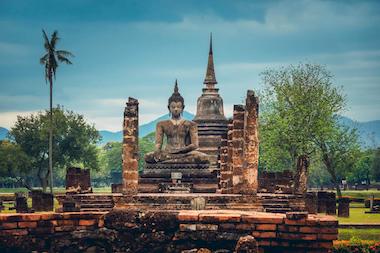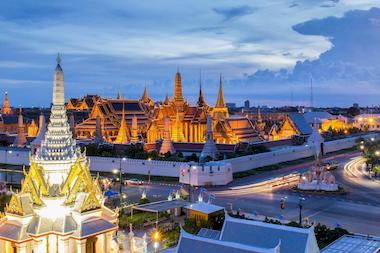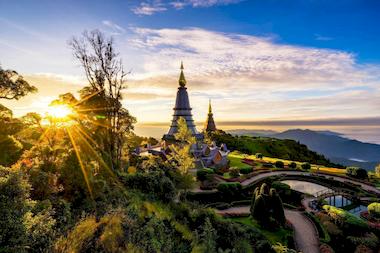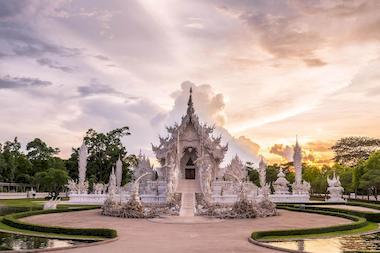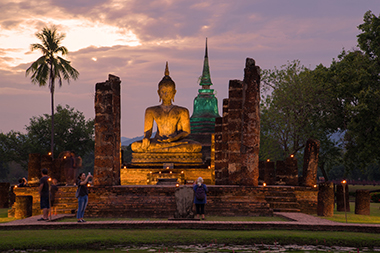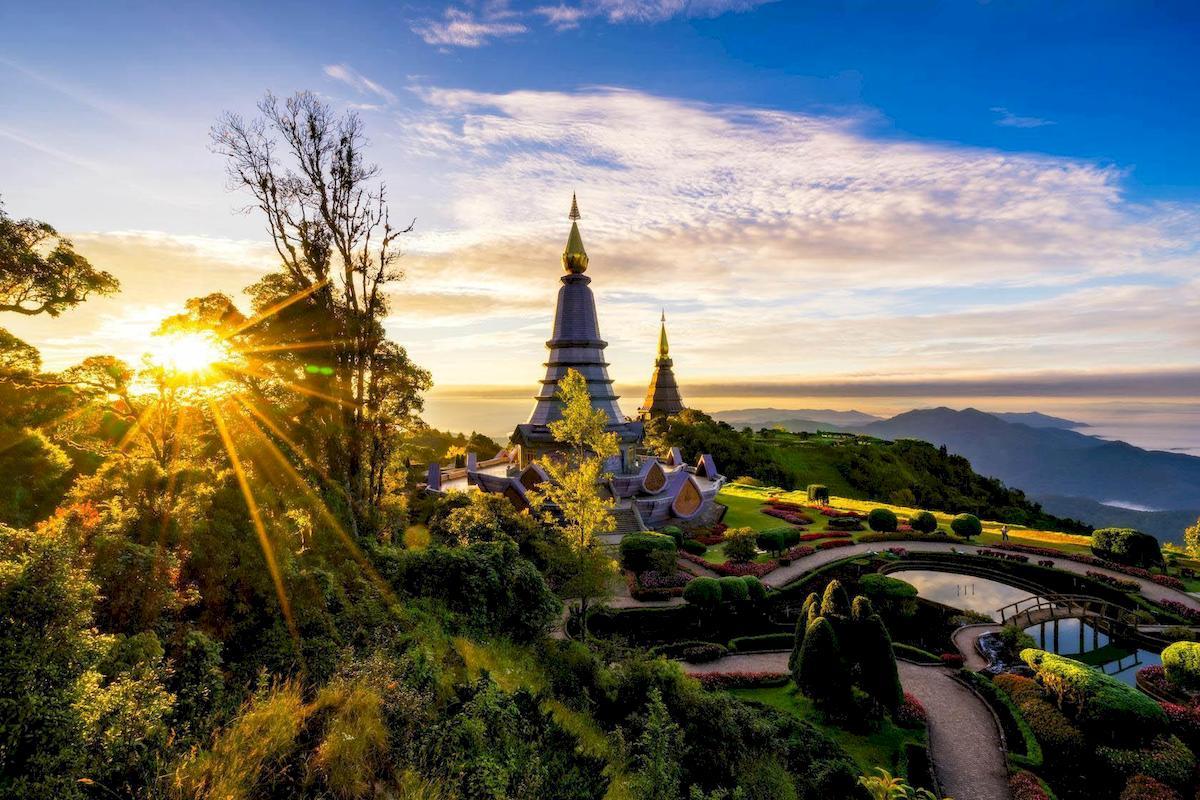
Nestled in the mountains of northern Thailand, Chiang Mai captivates visitors with its peaceful atmosphere, centuries-old temples, artisan markets, and lush nature. It is the ideal destination to combine culture, adventure, and relaxation.
No activities are currently available in Chiang Mai with these filters
Chiang Mai, often nicknamed the "Rose of the North," is one of Thailand’s most culturally rich and historically significant cities. Founded more than 700 years ago, it was the capital of the Lanna Kingdom, a religious center of Theravada Buddhism, and today remains a thriving center for tourism and craftsmanship.
Chiang Mai was founded in 1296 by King Mengrai the Great as the new capital of the Lanna Kingdom, replacing the former capital Chiang Rai. The name "Chiang Mai" means "New City" in Thai. The city was strategically chosen for its location in a fertile river valley and its proximity to trade routes crossing China and Burma (now Myanmar).
King Mengrai built massive walls and moats to protect Chiang Mai from invasions, especially Burmese ones. These fortifications are still visible today, especially in the Old City. The city quickly prospered and became a political and cultural center of northern Thailand.
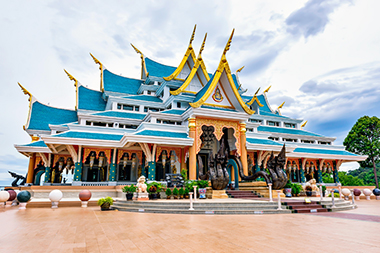
As the capital of Lanna, Chiang Mai became a spiritual center. Dozens of temples were built, many of which still stand today. Among the most iconic is Wat Phra That Doi Suthep, located on a mountain overlooking the city. According to legend, the temple was built to house a sacred relic of the Buddha brought by a white elephant, which chose the site by climbing the mountain and trumpeting before dying at the summit.
Other remarkable temples include Wat Chedi Luang, once home to the Emerald Buddha, and Wat Phra Singh, known for its classic Lanna-style architecture and revered Buddha image.
Despite its prosperity, Chiang Mai experienced periods of decline due to internal conflict and external threats. In 1558, the city fell to Burmese forces and remained under their rule for more than 200 years. During this period, Chiang Mai lost its political dominance but preserved its cultural identity.
By the late 18th century, King Taksin of Thonburi and later King Kawila, a local nobleman, launched efforts to expel the Burmese. In 1774, Chiang Mai was liberated and gradually repopulated and rebuilt. The city was integrated into the expanding Siamese Kingdom and retained a degree of autonomy as a semi-independent state.
During the reign of King Rama V (Chulalongkorn) in the late 19th century, Chiang Mai was fully integrated into the Kingdom of Siam. Administrative reforms and modern infrastructure were introduced, reducing the power of local rulers. Railways and roads connected the city to Bangkok and the south, fostering trade and cultural exchange.
Although the Lanna Kingdom ceased to exist as a political entity, its cultural legacy remained strong. Traditions, language (Kham Mueang), festivals, and arts were preserved and continue to shape Chiang Mai’s identity today.
Throughout the 20th century, Chiang Mai modernized rapidly while preserving its traditional charm. The founding of Chiang Mai University in 1964 transformed the city into an educational hub. Art, music, and local handicrafts flourished, and a new generation of artists began blending traditional and contemporary styles.
With the rise of international tourism in the late 20th century, Chiang Mai became a top destination for travelers seeking a mix of culture, nature, and wellness. Activities such as trekking, cooking classes, yoga retreats, and visits to elephant sanctuaries became popular, attracting millions of visitors each year.
Today, Chiang Mai combines modernity with cultural heritage. The city is home to digital nomads, retirees, artisans, and monks alike. Festivals such as Loy Krathong and Songkran attract thousands each year for their beauty and symbolism. The city is also recognized for its sustainability efforts, slow living, and focus on community-based tourism.
Despite challenges such as urban development and seasonal air pollution, Chiang Mai continues to reinvent itself while honoring its past. It remains a city where ancient temples, night markets, lush mountains, and a deeply spiritual way of life coexist in harmony.
Chiang Mai’s history is a story of resilience, cultural pride, and timeless beauty. Whether you stroll along the historic walls of the Old City or watch monks receive morning alms, every moment in Chiang Mai feels like a journey through time and a glimpse into a promising future.
by city