A former royal capital, Ayutthaya impresses with its UNESCO World Heritage ruins and rich historical heritage. Just an hour from Bangkok, it offers a journey through time among ancient temples, palaces, and Buddha statues.
Ayutthaya, located about 80 kilometers north of Bangkok, was once the capital of one of the most powerful and cosmopolitan kingdoms in Southeast Asia. Founded in 1350, the city of Ayutthaya rose to prominence as the center of the Kingdom of Siam, flourishing for over four centuries before its dramatic fall in the 18th century.
The city was founded by King Ramathibodi I in 1350. Its strategic location at the confluence of three rivers—the Chao Phraya, Lopburi, and Pa Sak—made it ideal for trade, defense, and agriculture. Within a few decades, Ayutthaya had surpassed its predecessor, Sukhothai, as the political and economic heart of Siam.
Ayutthaya was named after Ayodhya, the legendary city of India from the Hindu epic Ramayana, reflecting both its spiritual importance and the ambition of its king to build a glorious and divine capital there.
Between the 14th and 17th centuries, Ayutthaya reached the height of its power and prosperity. It became one of Asia’s most important trading centers, welcoming merchants from China, Japan, India, Persia, Portugal, the Netherlands, France, and beyond. The city’s wealth and influence were reflected in its majestic temples, refined palaces, and large-scale urban planning.
European visitors in the 17th century described Ayutthaya as one of the largest and most impressive cities in the world, rivaling even Paris or London at the time. At its peak, the city had around one million inhabitants.
Ayutthaya’s architecture blended Khmer, Sukhothai, and later foreign influences. Towering prangs (reliquary towers), chedis (stupas), and vast monastic complexes dotted the landscape. Important temples such as Wat Mahathat, Wat Phra Si Sanphet, and Wat Ratchaburana served both religious and royal functions.
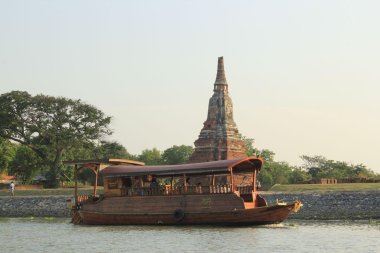
The Royal Palace and administrative buildings stood at the heart of the city, while canals and moats formed a well-defended island capital. The grandeur of Ayutthaya reflected both the spiritual devotion of its people and the immense wealth of the kingdom.
Ayutthaya was a center of Theravada Buddhism, and the kings of Siam were considered Dhammaraja, or righteous rulers who governed according to Buddhist principles. Monasteries played a major role in education, governance, and social welfare.
Although it was a Buddhist state, Ayutthaya was remarkably tolerant of other faiths. Christian missionaries were welcomed, and foreign communities were allowed to build their own places of worship and live under their own laws, creating a truly cosmopolitan society.
The Kingdom of Ayutthaya maintained a powerful army and navy, allowing it to exert influence over vast territories, including parts of present-day Laos, Cambodia, and Myanmar. It was engaged in frequent warfare, but also in diplomacy and intermarriage with neighboring kingdoms.
Through a combination of trade, military prowess, and political alliances, Ayutthaya remained a dominant force in the region for centuries.
Despite its strengths, Ayutthaya faced repeated threats from Burma. After several failed invasions, the Burmese army under King Hsinbyushin launched a devastating assault on the city in 1767. After a prolonged siege, Ayutthaya was captured and almost entirely destroyed. Temples were looted, the Royal Palace was burned, and the city was abandoned.
The fall marked the end of the Ayutthaya Kingdom, but not the end of Siam. Survivors fled to Thonburi, where General Taksin regrouped and established a new capital, paving the way for the rise of modern Thailand.
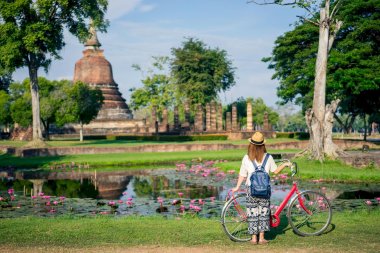
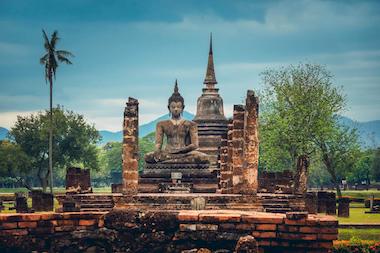
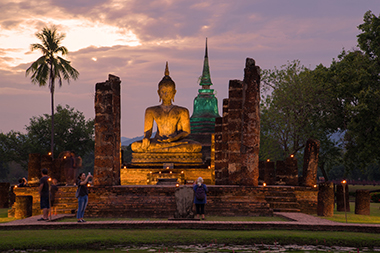
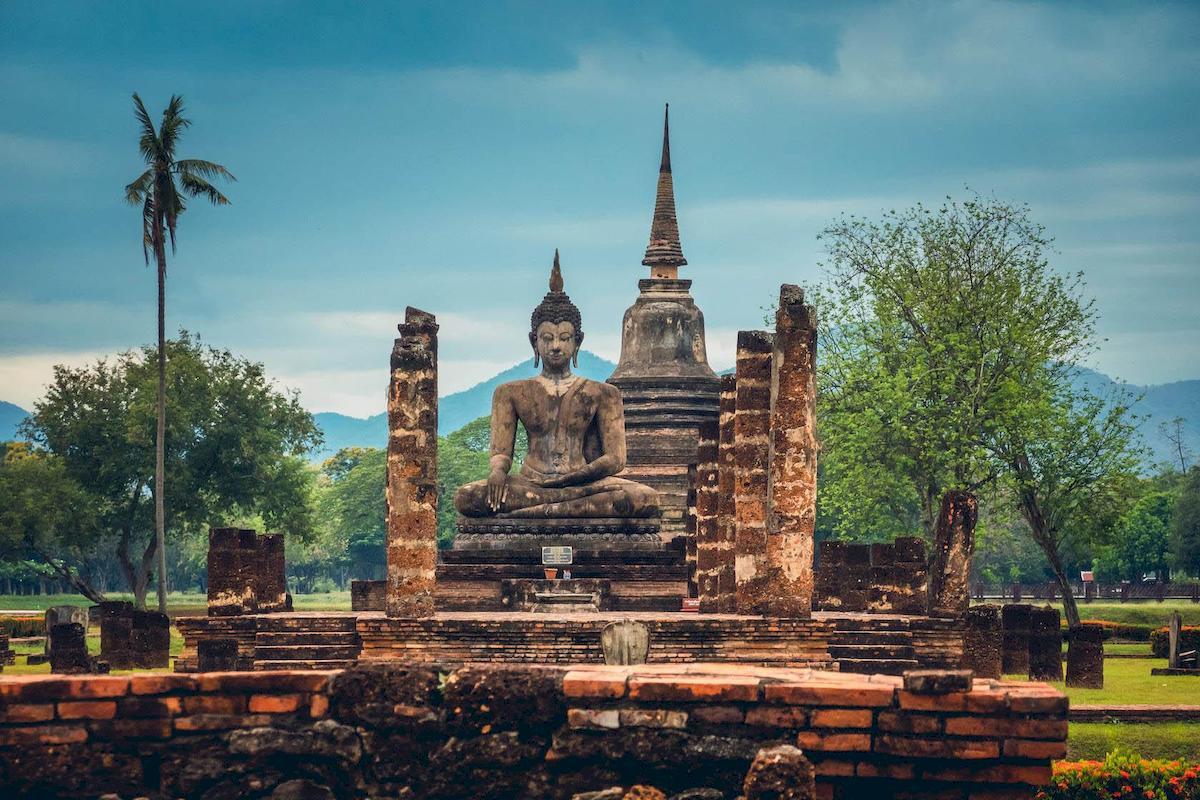
Today, the ruins of Ayutthaya are listed as a UNESCO World Heritage Site and offer a striking glimpse into the city’s former grandeur. Visitors can explore the crumbling temples, headless Buddha statues, and ancient stupas that testify to the city’s past splendor.
Ayutthaya remains an essential part of Thailand’s cultural heritage. Its history is taught in schools, its monuments are carefully preserved, and its legacy lives on in the arts, religion, and national identity of the Thai people.
Ayutthaya’s history is a story of glory, resilience, and renewal. Though its capital lies in ruins, its spirit endures, reminding all who visit of a once-great kingdom that shaped the soul of a nation.
by city